
Neurocaptivity: The Harmful Neural Consequences of Captivity for Elephants
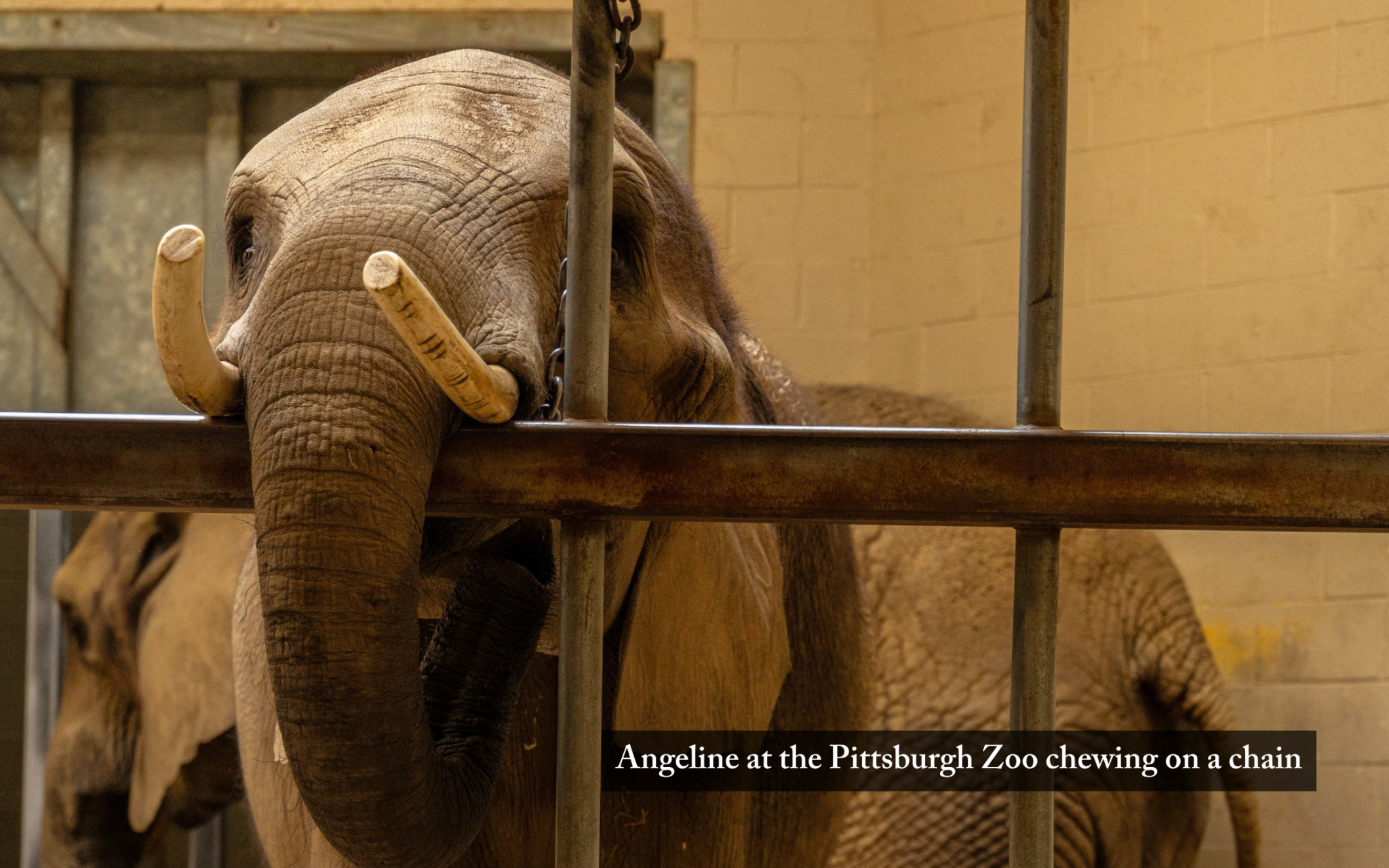
Photo via NhRP.
Bob Jacobs spent thirty years as a neuroscience professor at Colorado College. He founded the school's neuroscience program, building a career studying how different environments physically shape the brain. This work began with the human brain, but his own comparative research came to include dozens of nonhuman species, including elephants.
In this piece for the Nonhuman Rights Project, Jacobs introduces the term "neurocaptivity" — the notion that captivity doesn't just constrain an elephant's physical behavior, but also impairs the brains normal functioning. He argues that the mismatch between an elephant's cognitive and social sophistication and the impoverishment of a typical captive environment isn't just sad or unfortunate — it results in brain damage.
Read the full piece at the link below.
