
For Parents & Families
Tools and guidance to help you talk honestly and gently with your kids about zoos, circuses, and the animals they love — without fear, shame, or overwhelm.
Kids are naturally drawn to animals. They’re curious, compassionate, and eager to learn. As guardians, you have the unique opportunity to nurture that compassion while helping your children understand the realities behind animal attractions — and how we can make kinder choices together.
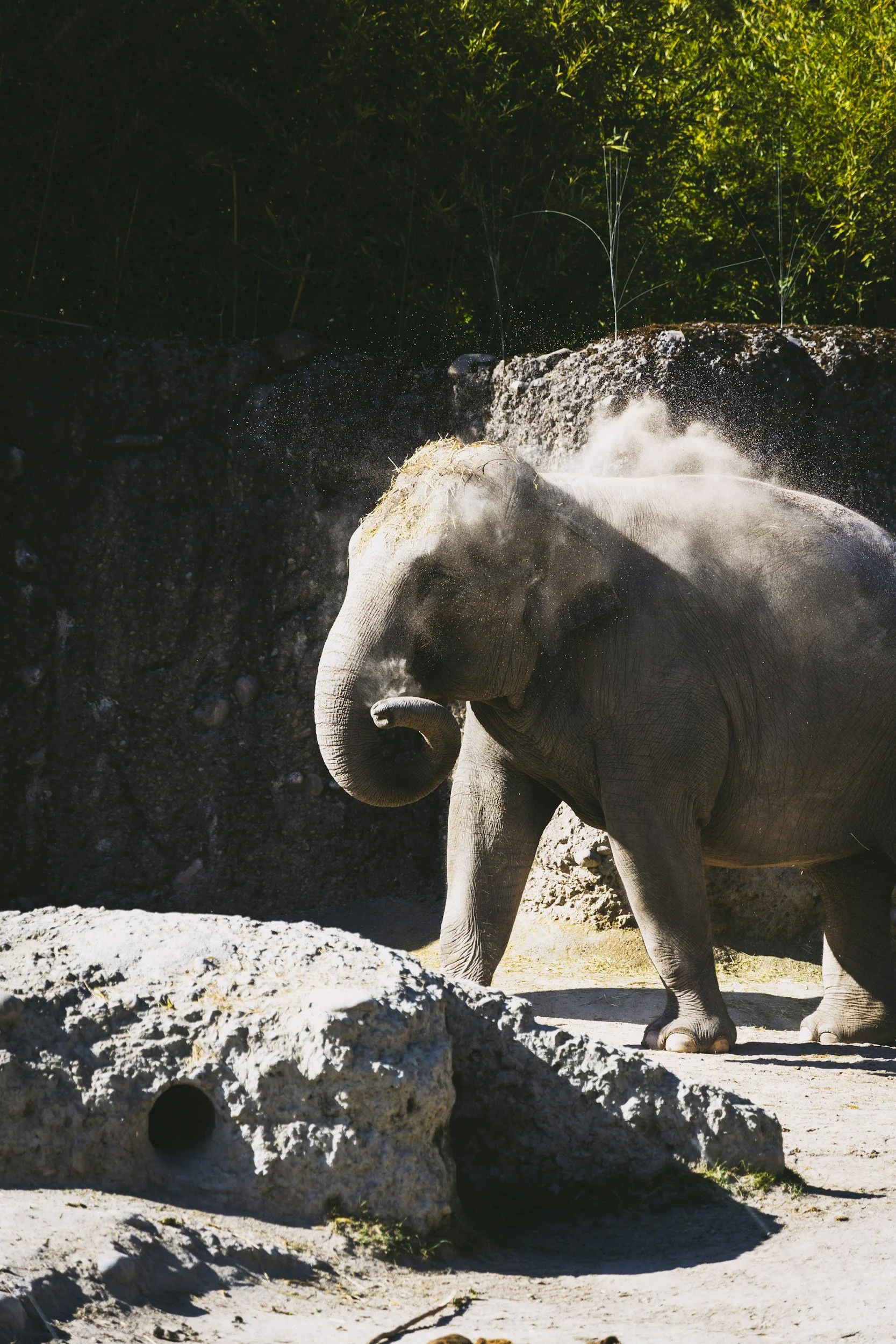
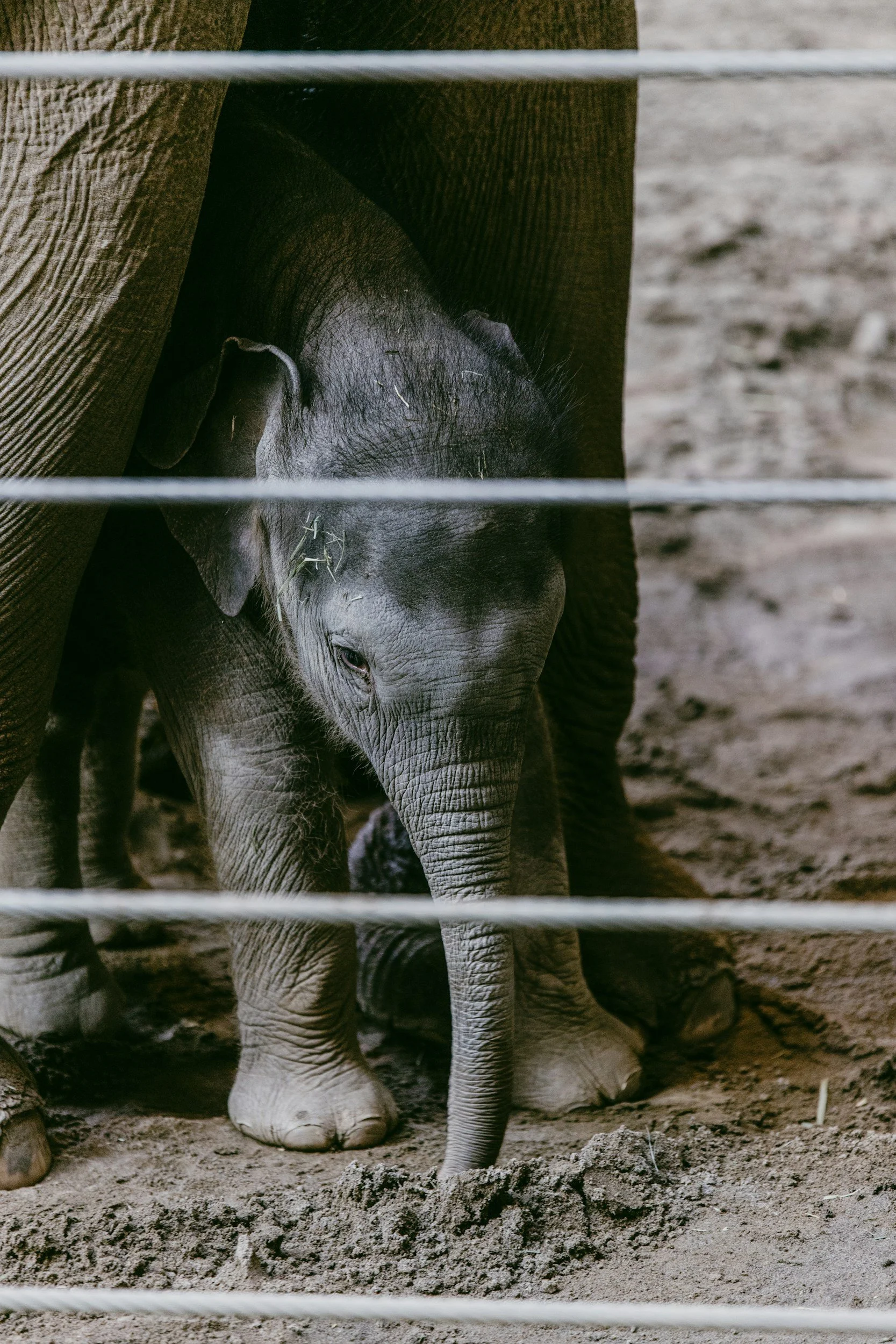
Why These Conversations Matter
Children don’t just need facts — they need context. Many animal attractions are designed to entertain people, not meet the needs of the animals inside them.
Talking about this openly helps kids learn:
How to recognize animal needs
Why freedom, family, and space matter
How our choices impact animals
That loving animals means respecting their lives
These discussions aren’t about frightening kids or making them feel guilty.
They’re about raising thoughtful, compassionate humans.
How to Talk to Your Kids About Zoos
Kids often assume that animals in zoos are happy because they look “cute,” “calm,” or “close enough to touch.” You can gently expand their understanding:
-
Explain Simply
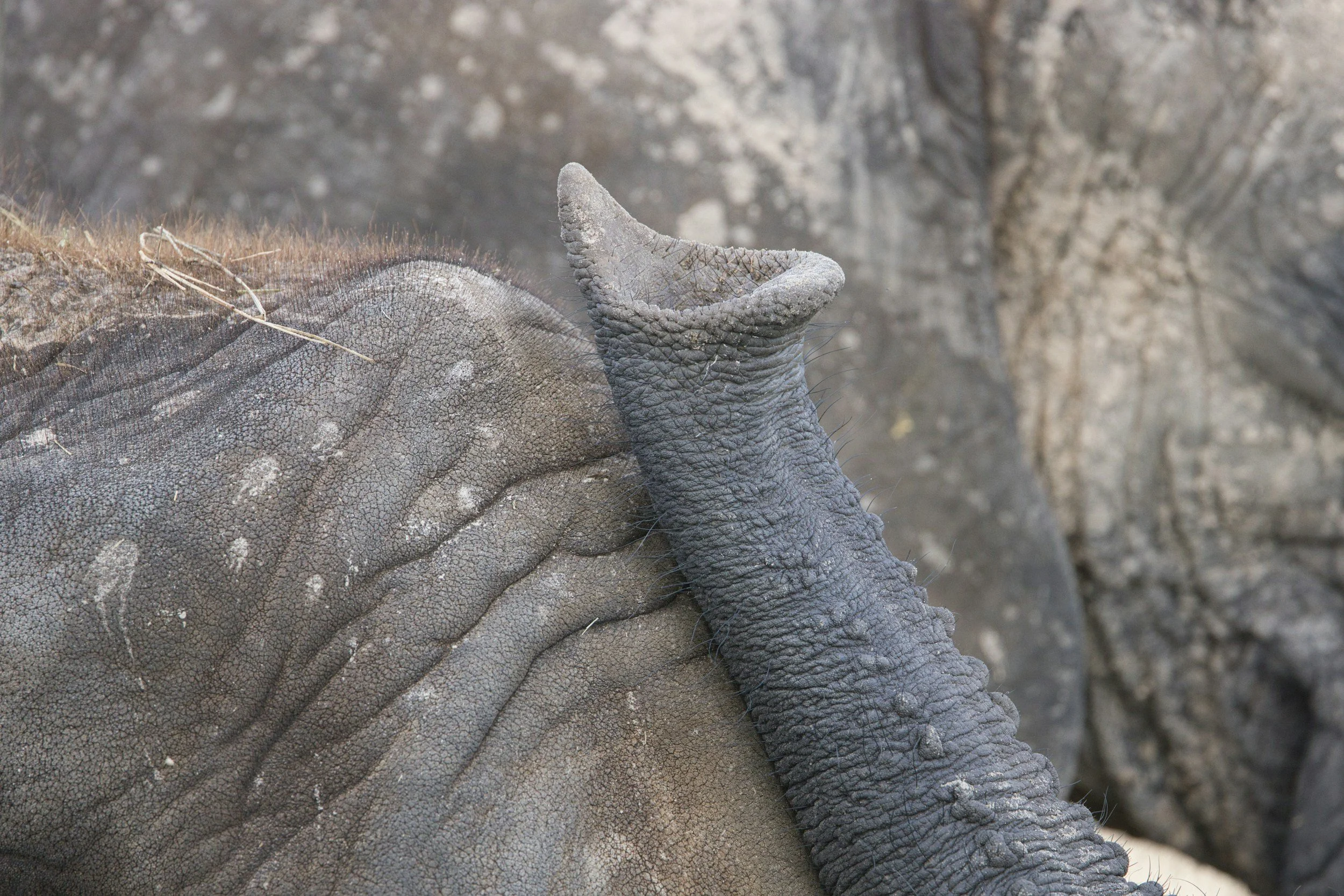
Animals in zoos live in small spaces so people can see them — but wild elephants, for example, walk miles every day, stay with their families, and make choices constantly.
-
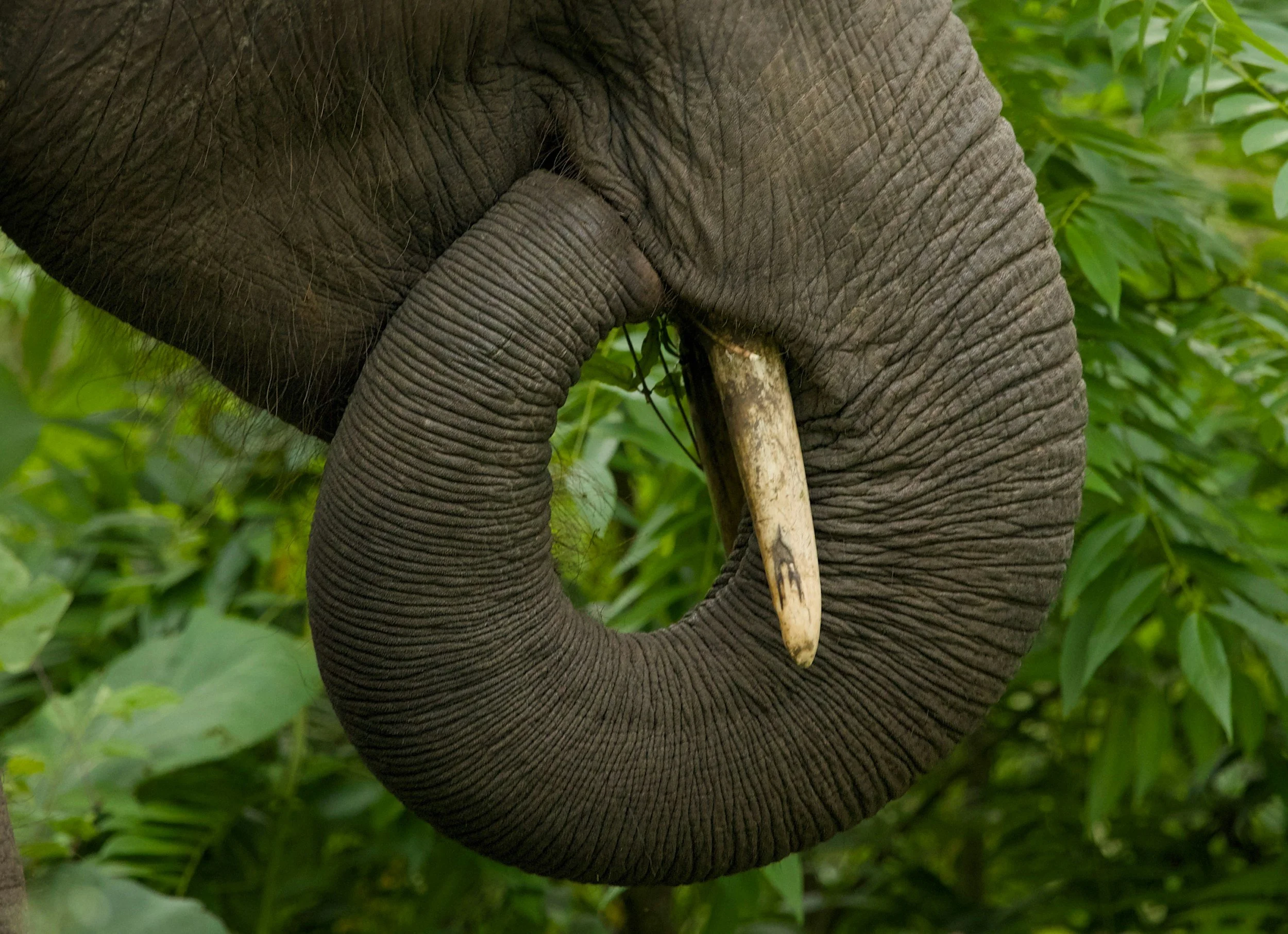
Use gentle questions, not heavy explanations
“What do you think she’s feeling?”
“What would make her happy?”
“Who is she with? Do elephants usually live alone?”
“What might she want to do if she could go anywhere?”
-
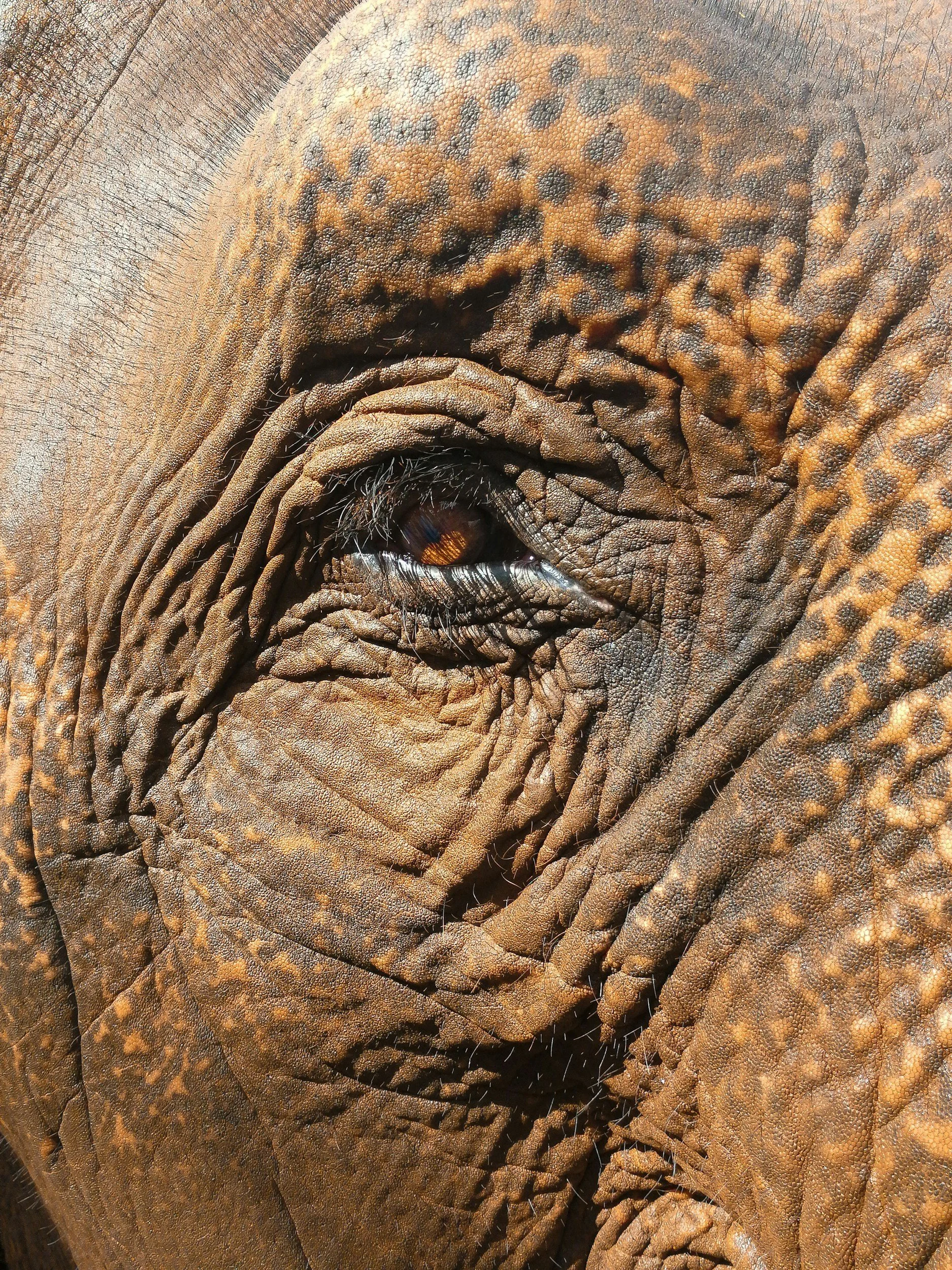
Allow them to come to conclusions
“Where do elephants live when they choose?”
“How far do they walk in the wild?”
Let your child imagine what a natural life feels like.
How to Talk to Your Kids About Circuses
Many circuses still use elephants and other animals in performances — and children may see this as fun before they understand what training, confinement, and travel mean for the animals.
-
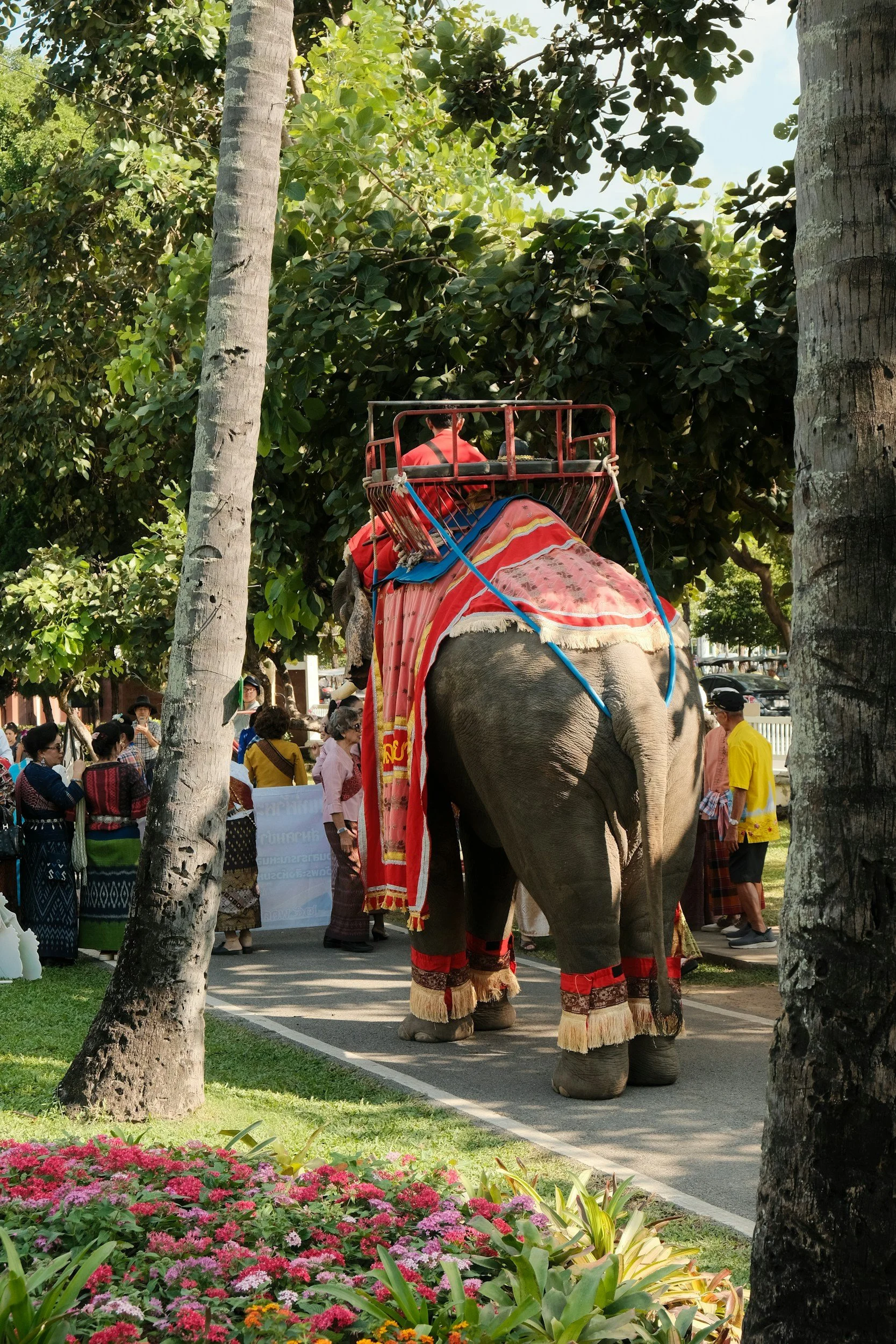
Keep it honest, but soft
“Circuses use animals to entertain people.”
“But elephants don’t naturally do tricks — they’re taught these things.”
“In the wild, elephants stay with their families and move all the time. Life in a circus doesn’t let them do that.”
-
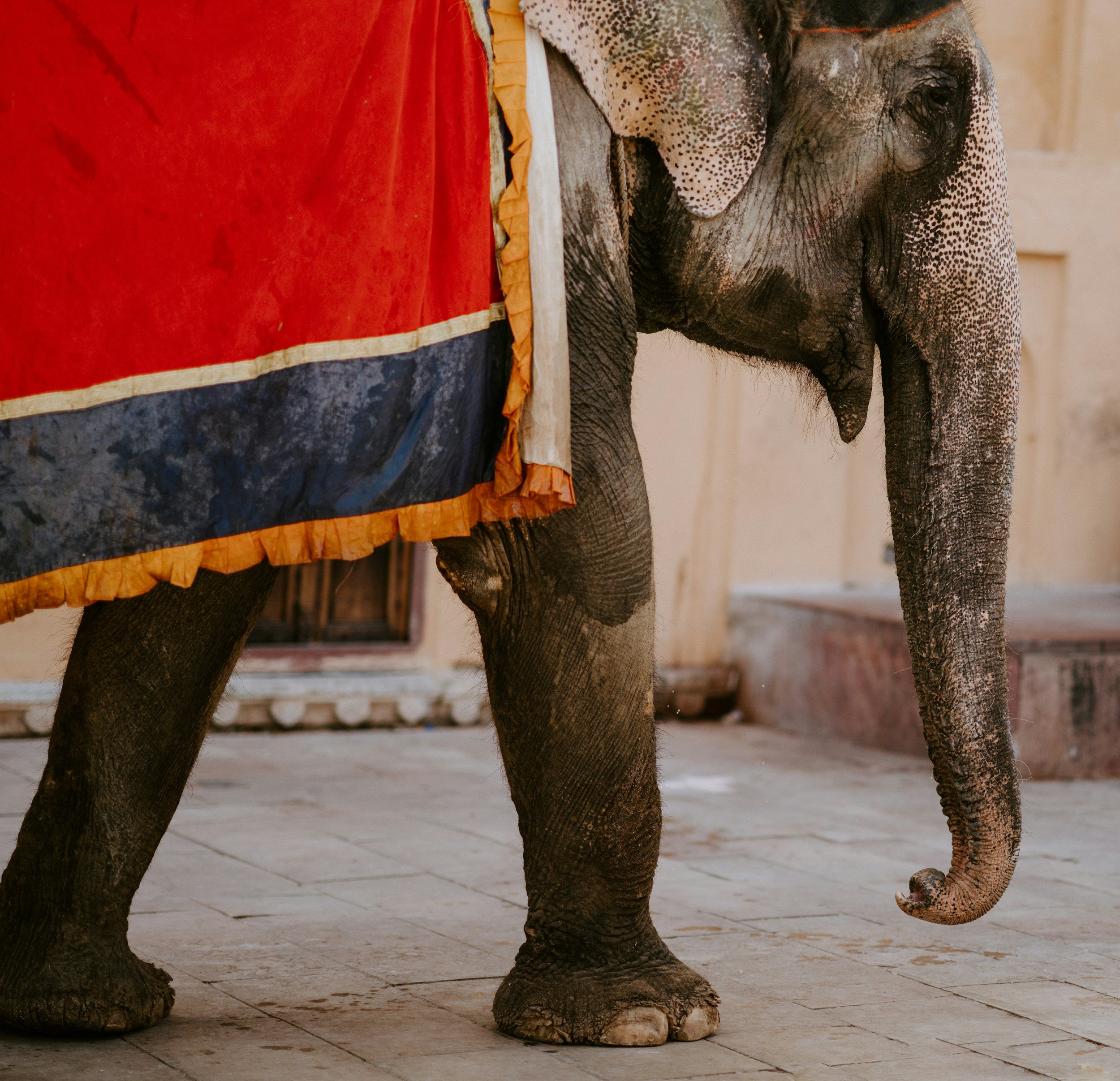
Use questions to help kids think deeply
“Does that look like something elephants would do in nature?”
“What do you think an elephant would rather be doing?”
“How would it feel to travel all the time and perform in front of crowds?”
-
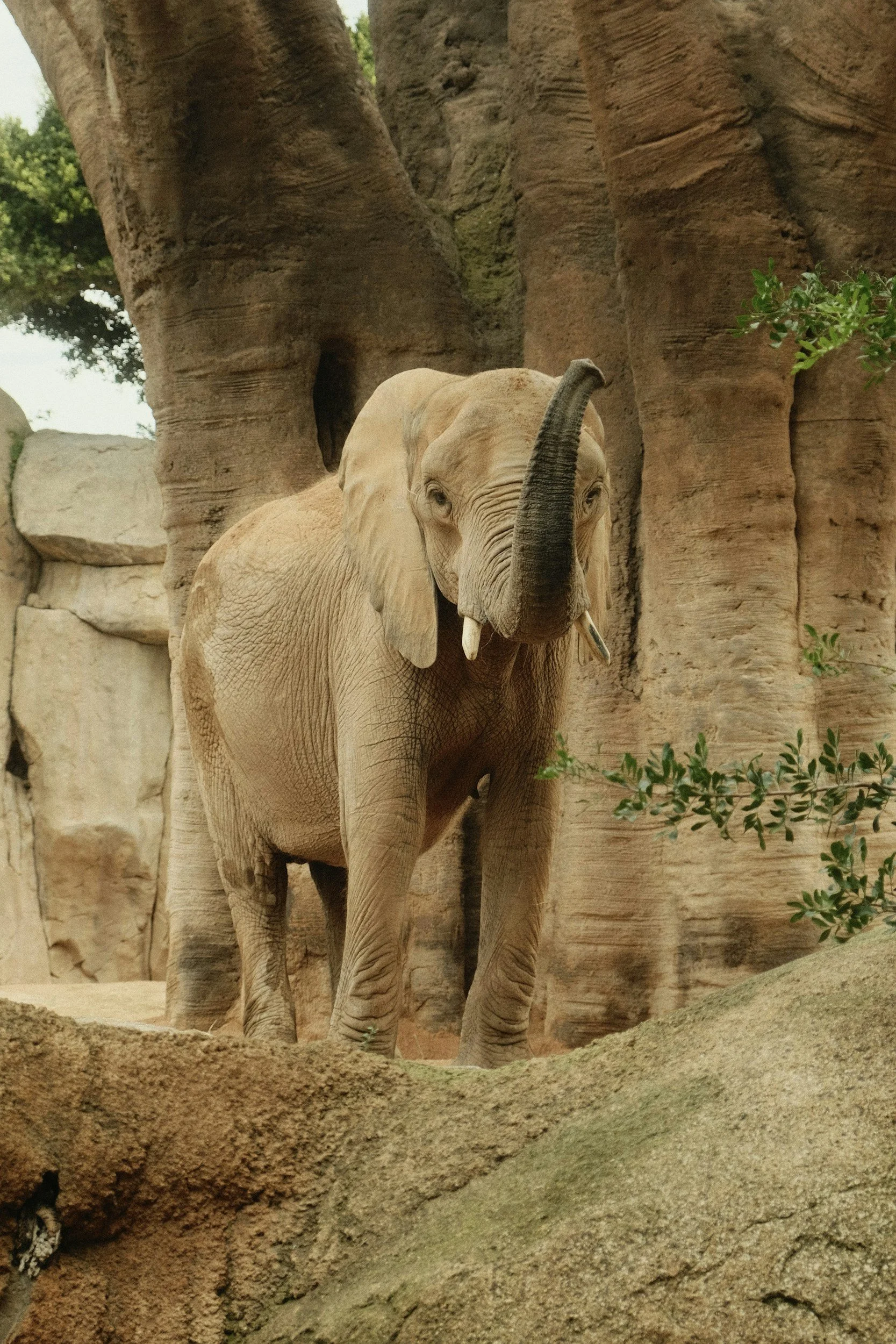
Empower them
Explain that choosing not to attend animal-based circuses helps protect animals — and there are fun, modern, animal-free circuses they can enjoy instead.
Helpful Guides & Downloads
-
Download our age-appropriate educational worksheets designed to help children learn more about elephants. With materials for elementary through high school, these worksheets offer hands-on activities and thoughtful discussion prompts to explore together.
-
Gain a deeper understanding of what happens behind the scenes at zoos, circuses, and wildlife tourist venues. This resource provides the full context you need so you can share accurate, compassionate information with younger generations.
-
Kids can learn about animals — and fall in love with them — without funding captivity or exploitation.
Try these alternatives:
🎥 Nature documentaries
🌍 Live wildlife cameras
📚 Books about wild animals and their families
🐘 Stories of elephants living free
🧭 Visits to accredited sanctuaries (no performances)
These experiences help kids see animals as individuals, not entertainers.