
The Loop of Captivity: Colleen Plumb’s Thirty Times a Minute
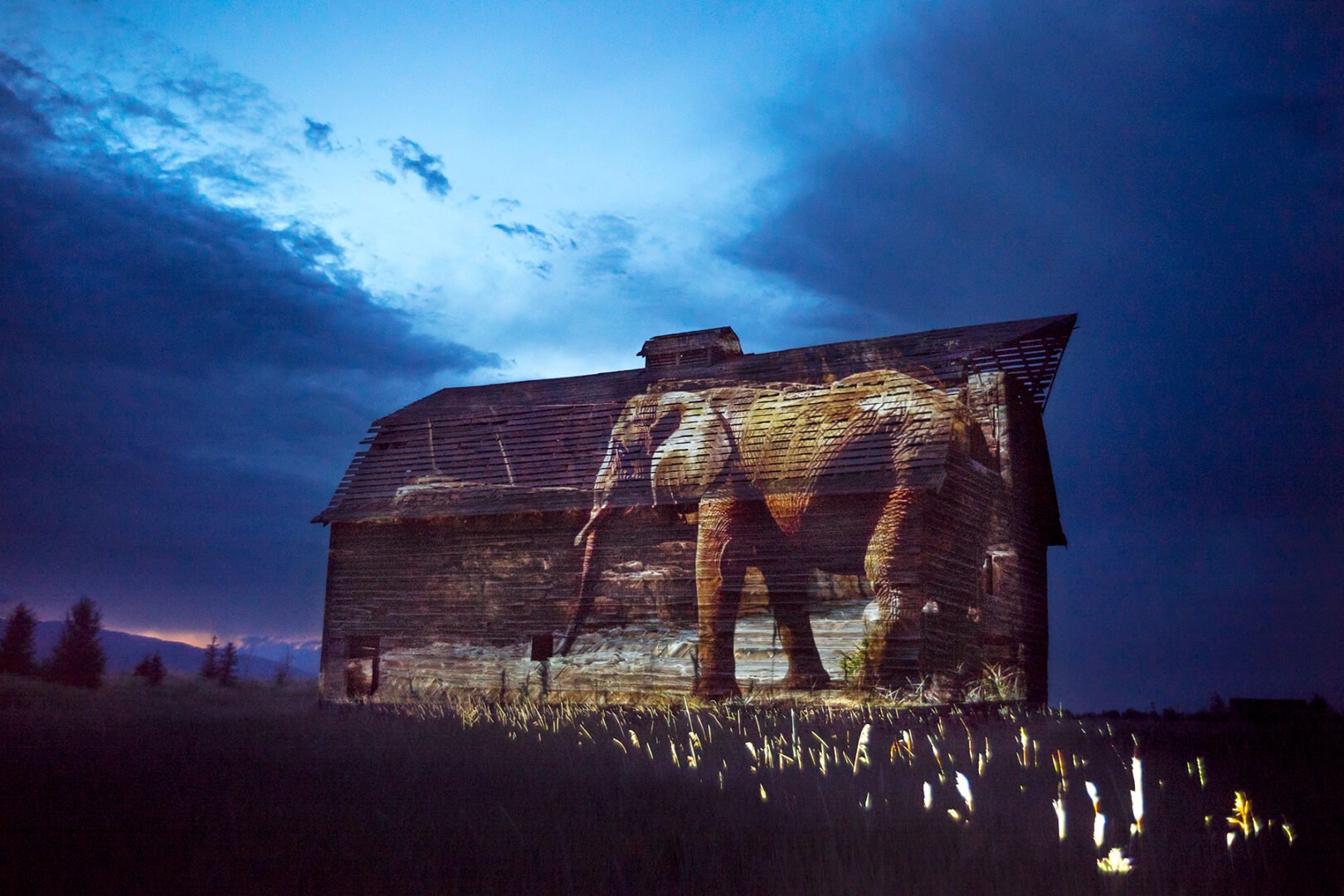
As anyone who has seen it up close knows, there’s something deeply unsettling about watching an elephant repeat the same movement over and over again. The sway. The rock. The slow shift of weight from one foot to the other. Movements repeated not out of purpose or play, but out of adaptation — a body attempting to cope with an environment it was never meant to inhabit.
This is the emotional core of artist Colleen Plumb’s multimedia project Thirty Times a Minute, which documents captive elephants in zoos across the United States and Europe. Over the course of several years, Plumb traveled to more than sixty facilities filming elephants exhibiting stereotypic behaviors: repetitive motions widely understood to be associated with stress, deprivation, and psychological distress in captive animals.
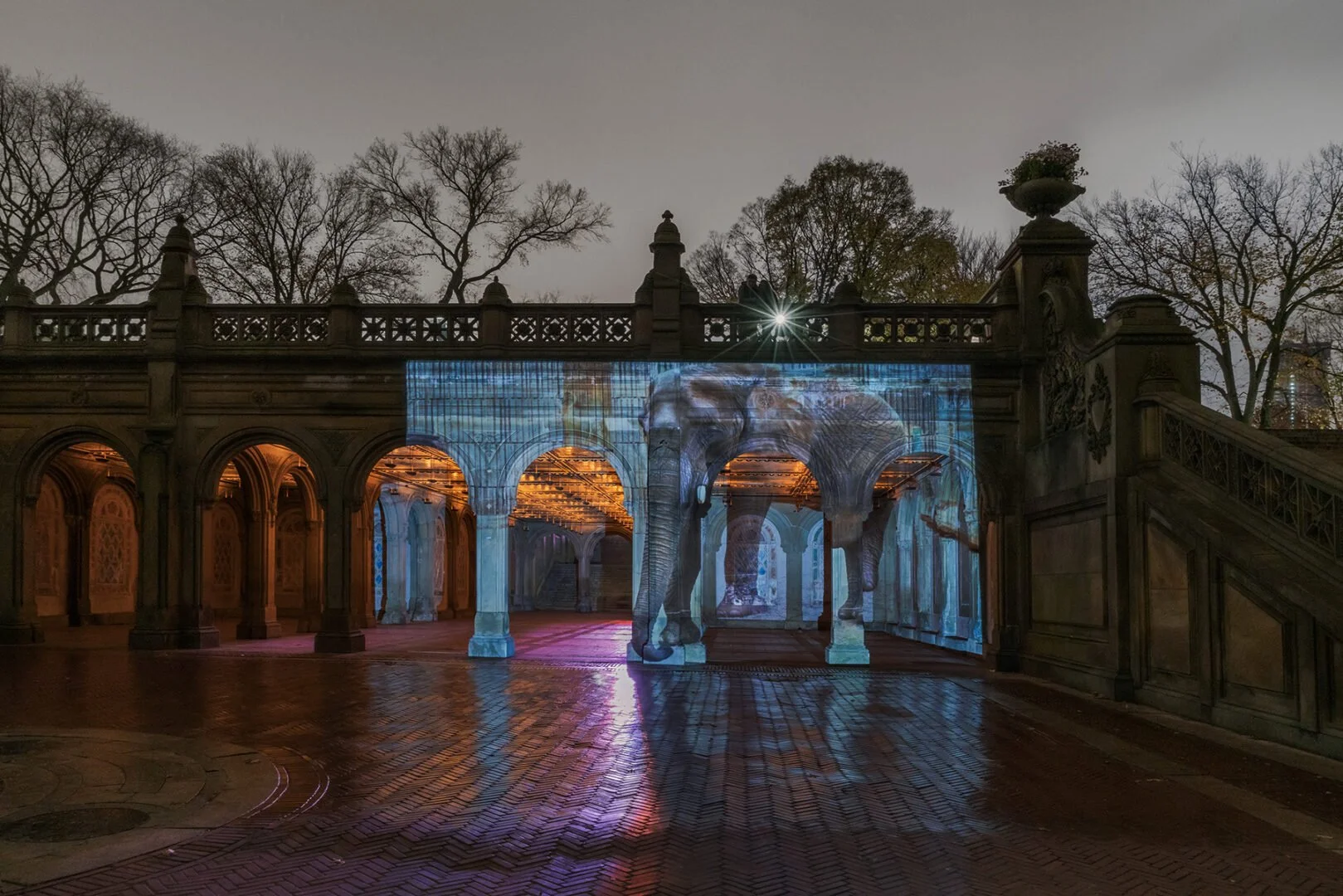
The title refers to the resting heart rate of an elephant; the project is about the rhythm of captivity itself. The endless repetition of enclosure life. The looping routines. The compression of an intelligent, socially complex, highly mobile animal into an artificial environment that’s nowhere big enough to meet its needs.
Part of what makes the work so powerful is that Plumb doesn’t sensationalize any of this. There’s no narration instructing the viewer what to think. No graphic imagery, no dramatic intervention. Instead, the project lingers, forcing viewers to sit with these movements long enough for the repetition itself to become dramatic, perhaps unbearably so.
In the wild, elephants move constantly through vast and dynamic social and ecological worlds. They form lifelong bonds, navigate enormous distances, communicate through low-frequency sound and vibration, and engage in highly complex social behaviors that researchers are still struggling to fully understand. Captivity reduces that world to enclosure walls, visitor pathways, concrete substrates, scheduled feedings, and perpetual exposure to human spectatorship.
The psychological consequences of that compression often become visible through the body. That’s what Thirty Times a Minute captures so effectively: captivity written into movement itself.
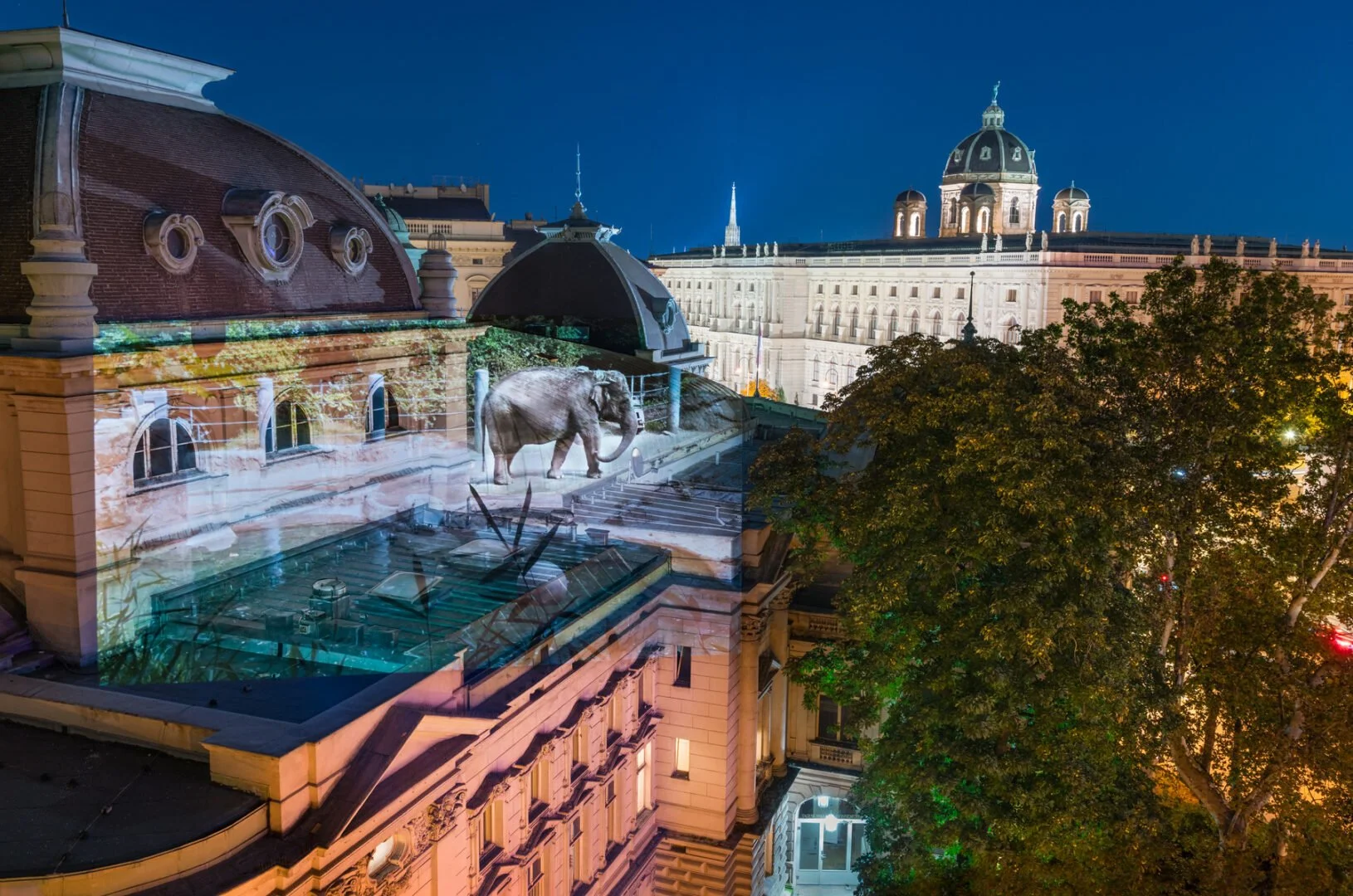
The project becomes even more haunting through the way Plumb chose to exhibit it. Beginning in 2014, she projected the footage onto buildings and public spaces in cities around the world, temporarily inserting the bodies of captive elephants into urban environments that normally render them invisible. A swaying elephant appears across the side of a building. A pacing body moves across concrete and glass. The effect is disorienting precisely because it collapses the distance people usually maintain between entertainment and consequence.
Zoos are often framed as spaces of education, conservation, and wonder. Plumb’s work asks viewers to confront a harder question: what does it mean when an animal’s distress becomes normalized as part of the scenery?
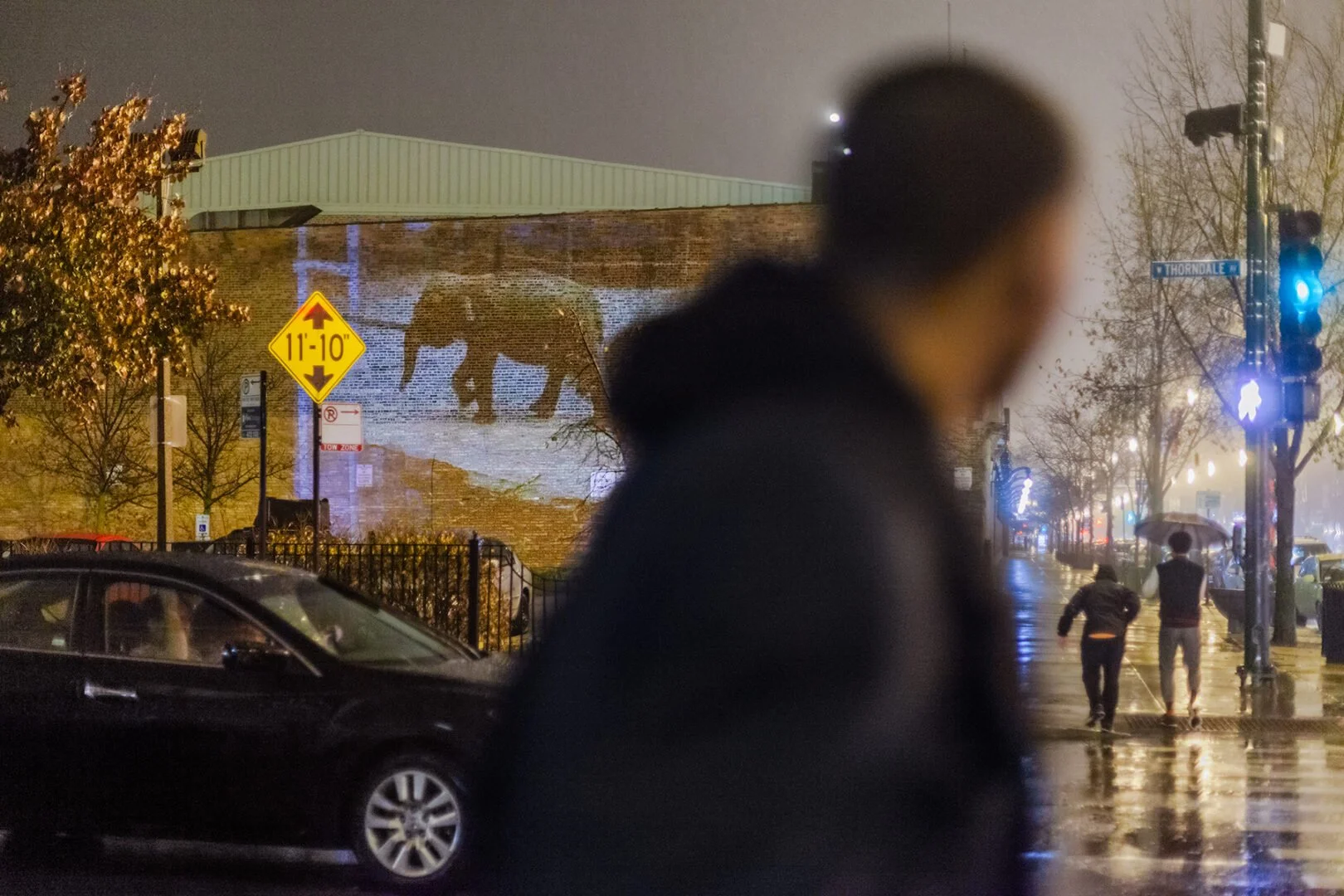
The answer is uncomfortable because stereotypic behavior is so common in captive elephants that many visitors no longer notice it at all. The swaying becomes background noise. The pacing becomes ordinary. Over time, the public learns to interpret visible distress as natural behavior simply because it occurs inside an institution presented as legitimate.
Art can’t resolve that contradiction on its own. It can’t dismantle the systems that keep elephants confined, nor can it undo the psychological damage many captive animals endure. But art can interrupt the stories institutions tell about captivity. It can make familiar spaces feel strange again. It can restore visibility to suffering that has been absorbed into routine. That is what makes Thirty Times a Minute feel so important.
Learn more about the project and check out the book she created around the work: Thirty Times a Minute, on the artist’s website: https://colleenplumb.com/
